
By Anita Rajan, General Director, JAMA USA
Every October, Manufacturing Month is an opportunity to celebrate the manufacturing sector, highlight the wide range of career opportunities it offers, and recognize the important role these careers play in strengthening communities and supporting families across the country. For students, it is a chance to “go to the gemba,” or “genchi genbutsu” in Japanese, which means to “go and see for yourself” what advanced manufacturing looks like today. Going to the gemba is a core concept in Japanese manufacturing that can be applied to students’ experiences when touring facilities and engaging in robust discussions with manufacturing associates across the spectrum of specialties needed to successfully operate a plant. This month and throughout the year, as students (and sometimes parents!) walk through and have discussions with associates at many of the Japanese-brand automakers’ 26 U.S. manufacturing facilities, curiosity is sparked, understanding deepens, and inspiration takes hold among future generations of the U.S. automotive workforce.
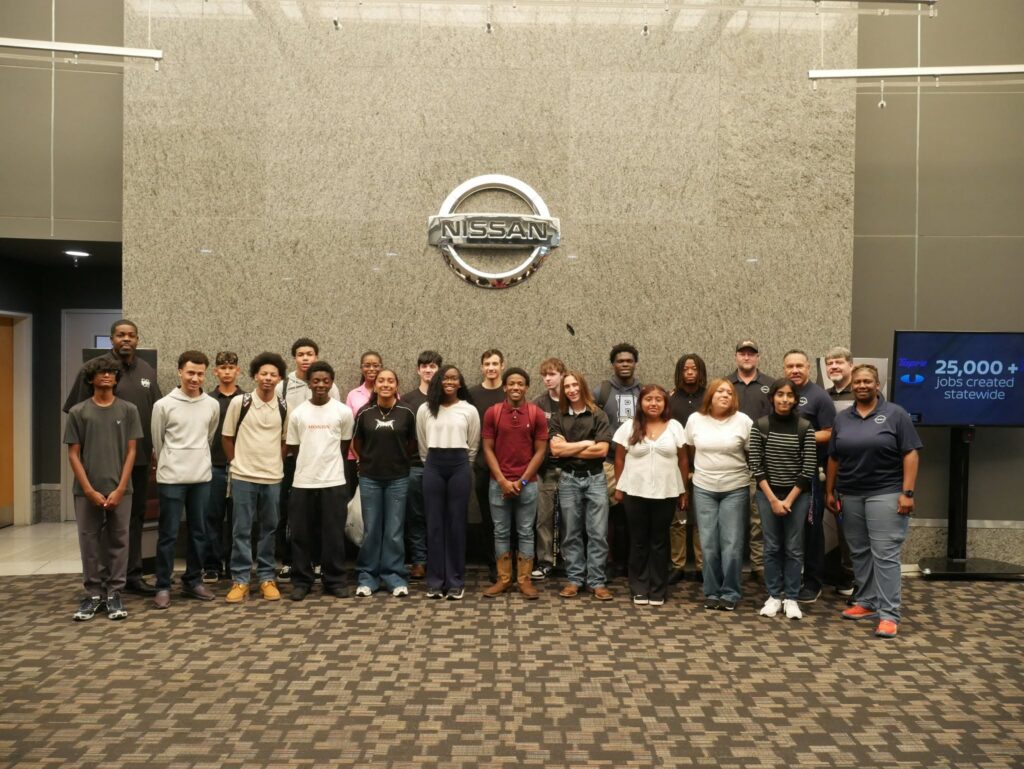
In Indiana, through the Greater Lafayette Career+ K-12 workforce program, which connects students with employers and career pathways, Subaru of Indiana hosted interactive vehicle manufacturing facility tours for hundreds of students, who observed robotics on active production lines and learned about manufacturing volume and teamwork. Similarly, Nissan’s vehicle manufacturing plant in Canton, Mississippi, partnered with the Mississippi Business Alliance to celebrate automotive manufacturing by offering students from Nissan’s Centers of Excellence program at Ridgeland High School a facility tour and the opportunity to discuss advanced manufacturing career pathways. Additionally, Toyota’s vehicle manufacturing plant in Kentucky welcomed Scott County High School students participating in Jobs for America’s Graduates for a tour of the facility and to discuss high-tech career opportunities with Toyota employees.
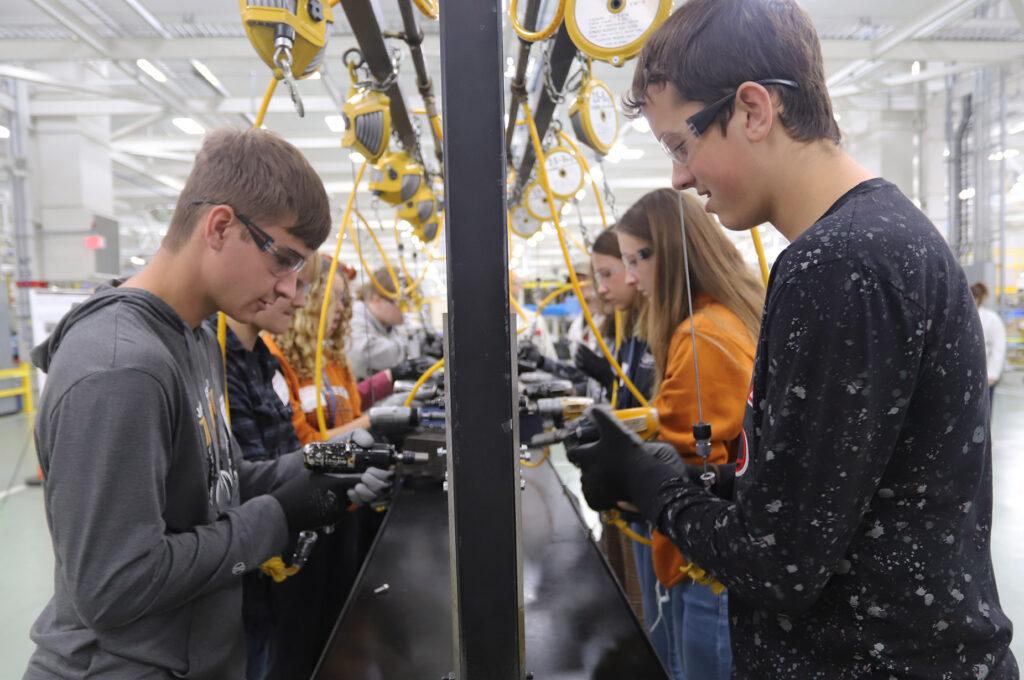
Through Honda’s partnership with The Manufacturing Institute, the workforce development arm of the National Association of Manufacturers, the company hosted annual Manufacturing Day events at ten of its manufacturing facilities across the country, including in Alabama, Georgia, Indiana, and Ohio. Over 1000 students from nearly 50 schools participated in these events. At each facility, there were engaging, immersive experiences for students specific to that plant, including those showcasing how virtual reality simulation and artificial intelligence are used in modern manufacturing. In addition to a facility tour, Honda associates engaged with students on topics related to advanced technology, automation, and human collaboration, and how the combination of the three is central to modern manufacturing. This year, Honda associates introduced students to supply chain concepts to demonstrate how materials, parts, and products move through the manufacturing process, which further expanded students’ understanding of the breadth of roles and careers available in the automotive manufacturing industry.
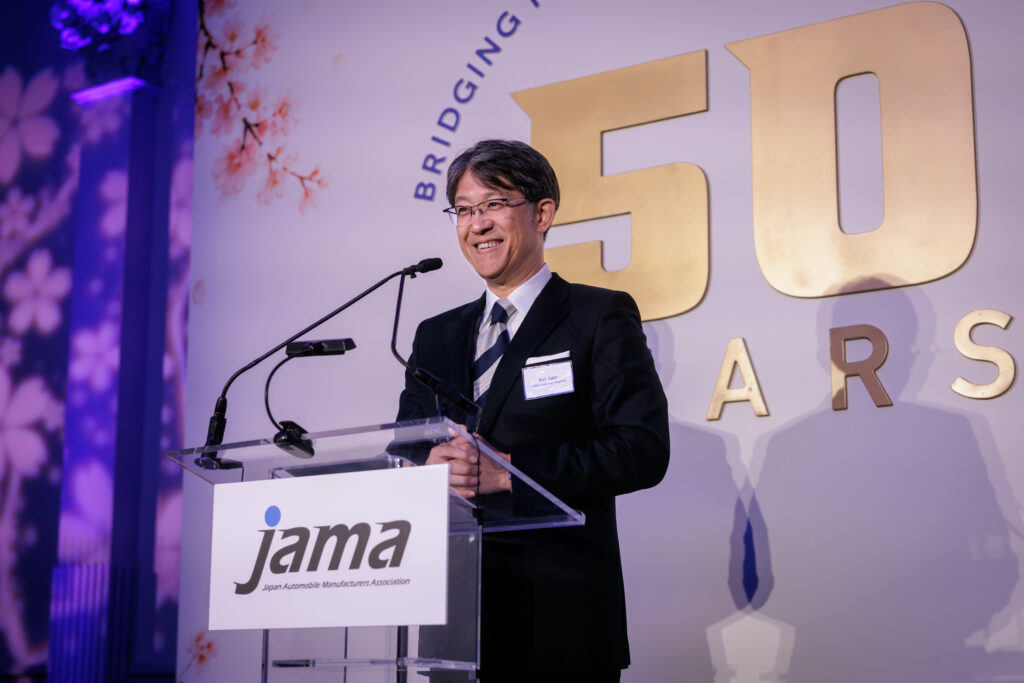
We are proud of and grateful for the partnerships that make these events and many of our members’ U.S. workforce development programs so impactful. In September, we had a unique opportunity to express our appreciation for the decades of partnership that Japanese-brand automakers have shared with communities nationwide. At a reception, hosted by JAMA Chairman Koji Sato, which celebrated JAMA USA’s 50th Anniversary of representing our members in Washington D.C., we brought the factory floor to the nation’s capital. It was clear from the broad range of attendees across industry, U.S.-Japan organizations, think tanks, the diplomatic community, and government how well-appreciated Japanese-brand automakers’ legacy in the U.S. is and the shared excitement for their continued partnership and commitment to U.S. workers, communities, and consumers.
This Manufacturing Month, and during this important milestone, JAMA honors its members’ 108,000+ direct U.S. workers, the wider automotive industry, and all those dedicated to strengthening the U.S. automotive manufacturing sector for years to come.